Designing Decks With a View: Tips for Scenic Locations
Creating decks in scenic locations presents particular considerations and possibilities. Thoughtful placement can enhance sightlines and sunlight. Picking layouts and materials that harmonize with the environment is important. Privacy concerns often arise, calling for intentional privacy screening. Together, these factors create a comfortable and useful outdoor environment. Understanding these factors can elevate the general enjoyment. What key factors should be prioritized for optimal construction?
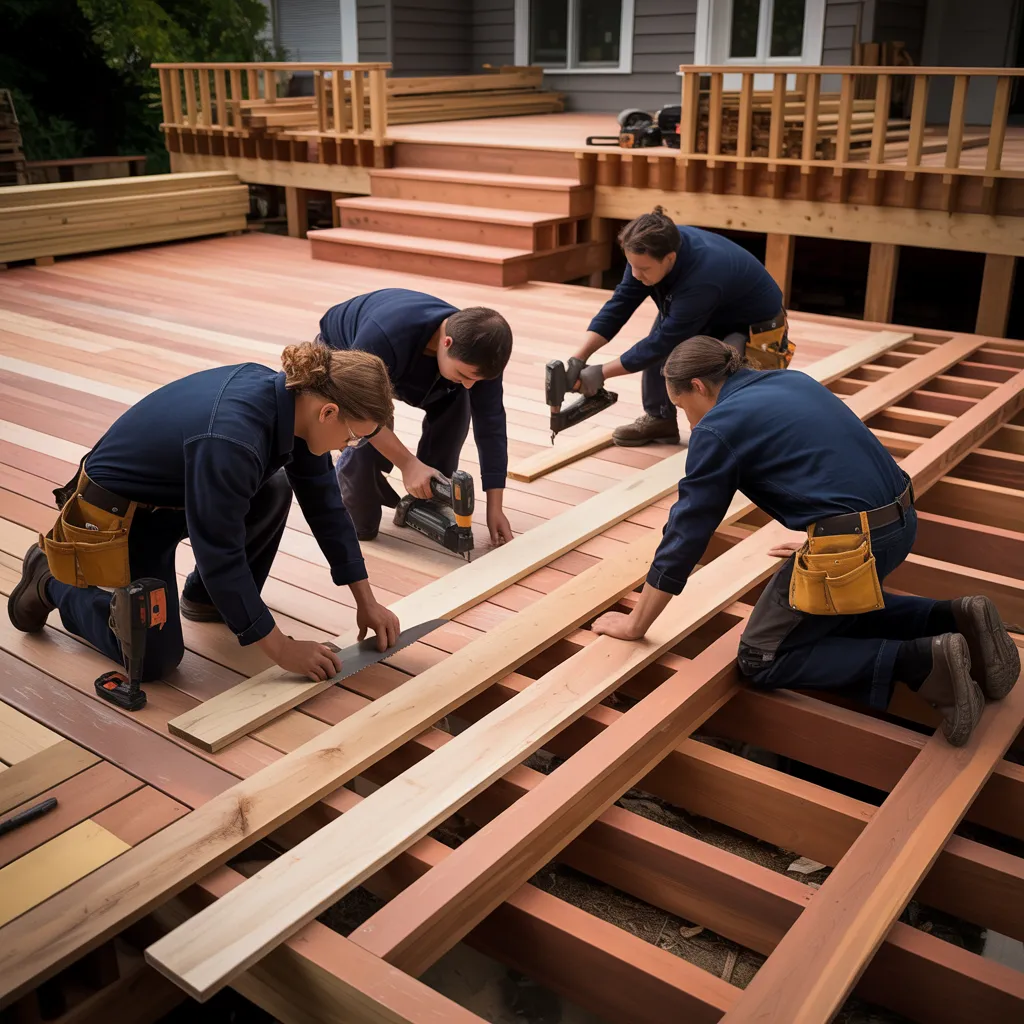
Common Challenges in Deck Design
Planning scenic decks frequently involves a number of obstacles that can affect the undertaking. One significant issue is the topography; irregular surfaces can complicate the base, requiring additional engineering solutions. Furthermore, the surrounding environment must be carefully evaluated, such as local plants and animals, which can alter both visual appeal and performance. Climatic factors also create obstacles; decks in areas with extreme temperatures or heavy rainfall require detailed consideration to guarantee structural integrity and protection.
A further barrier involves municipal building codes and zoning laws, which can place restrictions on deck dimensions, elevation, or construction materials. Such regulations can restrict design options and demand extensive research prior to moving forward. Finally, achieving harmony between aesthetics and practicality can prove demanding, as architects strive to develop attractive spaces while ensuring they stay practical and easy to use. Addressing these challenges requires thoughtful planning and innovative solutions.
Picking the Ideal Materials for Your Deck
Picking the best options for a deck is crucial, as it directly influences both the structure's longevity and overall appearance. Property owners often weigh options such as wood, go now composite, and metal. Traditional wood offers charm and beauty but requires regular maintenance to avoid deterioration or damage. On the other hand, composite decking provide strength and ease of care, standing up to fading and harsh weather, making them an attractive option for picturesque settings.
Metal-based choices, including aluminum, are celebrated for their strength and resistance to rust, well-suited to seaside locations. Each material has distinct advantages, and the decision should be guided by the weather conditions, preferred upkeep requirements, and broader aesthetic goals. Additionally, eco-conscious alternatives are becoming increasingly sought after, attracting environmentally aware homeowners. In the end, the preferred materials must complement the existing environment while aligning with the residence's design character, ensuring a cohesive and inviting outdoor space.
Optimize Your Deck Layout for Views
To create a visually impressive deck, deliberate planning of the layout is vital. Careful placement, elevation, and furniture layout can greatly enhance the overall experience by making the most of scenic views. By focusing on these elements, one can convert a basic deck into a charming outdoor sanctuary.
Strategic Positioning for Maximum Impact
Thoughtfully situating a deck can substantially elevate the entire experience, optimizing stunning vistas and sunlight. The positioning angle of the deck deserves careful deliberation, making sure it is directed toward the most scenic surroundings, whether it be mountains, lakes, or gardens. Incorporating angled designs can create unique sightlines, providing diverse viewpoints without interference. Moreover, accounting for surrounding greenery can naturally frame the outlook, adding depth and interest. Orienting the deck to capture sunlight during golden hours amplifies its charm, inspiring continuous outdoor activity from morning to evening. Integrating features like low walls or railings can maintain sightlines while providing safety. In the end, deliberate placement transforms an ordinary deck into a captivating outdoor sanctuary, seamlessly blending architecture with nature.
Elevation and Perspective Considerations
While considering vertical positioning and sightlines, a thoughtfully crafted deck can significantly improve the scenic experience. Height serves a critical function in enhancing breathtaking scenery; even a modest rise can dramatically alter sight angles. Decks positioned higher can embrace wide-ranging views, while lower decks may become blocked by natural features or architectural elements.
Integrating multiple tiers in the deck structure can further optimize perspectives, providing diverse vantage points. Angling the deck or including cantilevered sections can also generate an impressive visual impact. Additionally, positioning the deck's direction with key landmarks or surrounding natural elements makes certain the most breathtaking scenery takes center stage. At its core, careful attention to elevation and viewpoint planning transform a simple deck into an engaging viewing platform, inviting users to fully appreciate their surroundings.
Arranging Furniture for Views
A strategic furniture arrangement can substantially boost the scenic experience on a deck. To maximize the design potential, positioning seating in the direction of the finest scenery is vital. Choosing low-profile furniture provides unobstructed sightlines, enhancing the overall visual impact. Clustering items in a rounded or arc-shaped formation encourages interaction while directing attention to the surroundings. Incorporating side tables can offer practicality without obstructing the landscape. Integrating movable furniture allows for adjustments, enabling users to reposition seating based on the sun's position or personal preference. Moreover, using decorative pillows and wraps can promote tranquility, transforming the deck into a cozy haven. At its best, a thoughtful arrangement not only elevates scenery but also redefines the deck into a harmonious extension of the encompassing scenery.
Add Comfortable Seating for Relaxation
Designing a picturesque deck necessitates thoughtful consideration of seating options to improve relaxation. Comfortable seating plays a pivotal role in turning an outdoor space into a calming retreat. Selecting padded lounge chairs, hammocks, or built-in benches can entice occupants to remain longer while enjoying the view. The right materials should combine durability with comfort; durable fabrics and robust frames are key to long-lasting performance.
Furthermore, the arrangement of seats should facilitate conversation and connection with the surrounding area. Arranging chairs in intimate groupings can cultivate a welcoming environment, while a solitary chaise lounge promotes solitary contemplation. Including plush pillows or warm throws brings a warm element, creating a more welcoming atmosphere.
When all is said and done, carefully considered seating choices do more than enhance comfort by also promoting a sense of serenity, helping people to wholly absorb themselves in the stunning atmosphere of their deck area.
Balancing Privacy and Views With Strategic Landscaping
To create an ideal equilibrium between privacy and picturesque sightlines, thoughtful landscaping proves essential. Homeowners can utilize ornamental grasses, trees, and shrubs to establish organic screens that guard the deck from outside observation while still preserving sightlines to the landscape. Selecting the right plant species is essential; large evergreen trees offer continuous seasonal coverage, while leafy deciduous trees provide periodic seclusion.
Layering plants adds depth and visual interest, enabling homeowners to craft sightlines that improve views while maintaining privacy. Additionally, integrating vertical features like trellises or lattice work can better define space without blocking the horizon.
Careful attention to plant positioning is crucial; positioning foliage at varying heights guarantees that scenic vistas remain visible from the deck. In the end, a carefully planned landscape design not only improves privacy but also showcases the stunning surroundings, establishing a peaceful outdoor retreat.
Enjoyable Ambiance Suggestions to Set the Right Mood
In what ways can proper lighting turn a deck into a welcoming sanctuary? Carefully selected lighting can significantly improve the atmosphere, making the area more welcoming. Soft, warm lights create a relaxed atmosphere, while string lights or lanterns can add a touch of whimsy. Incorporating dimmable fixtures allows for easy mood adjustments, catering to various occasions, from intimate dinners to lively gatherings.
In addition, using layered lighting—such as wall sconces, recessed lights, and floor lamps—creates both functionality and aesthetic appeal. Sun-powered lights offer an eco-friendly option, lighting up pathways eliminating the need for electrical wiring. Candles, be they real or LED, add a soft flickering light that elevates the atmosphere of outdoor evenings.
Highlighting design features or outdoor greenery with accent lights can capture attention while adding layers of depth. Ultimately, the right lighting solution elevates a plain deck into a relaxing sanctuary, encouraging relaxation and enjoyment of the surrounding views.
Weatherproofing Your Deck for Year-Round Enjoyment
Although outdoor spaces are often subject to the elements, strategic weatherproofing can make certain that a deck continues to be an enjoyable space in every season. Important methods include opting for resilient materials such as composite decking, which prevents fading and warping. In addition, utilizing a superior sealant can defend wooden surfaces against moisture infiltration and UV deterioration.
Incorporating drainage systems is vital; well-planned slope design and gutter systems help channel water away from the deck. Using weather-resistant furniture and cushions further enhances the space, guaranteeing comfort regardless of the season.
Adding a pergola or awning offers shade on hot summer days while supplying cover from light rain. Furthermore, incorporating outdoor heaters or a fire pit produces warmth on chilly evenings, stretching usability across colder months. By utilizing these weatherproofing strategies, homeowners are able to enjoy their scenic decks throughout the year, maximizing both beauty and functionality.
Maintaining Your Deck for Long-Term Appeal
Preserving a deck demands consistent upkeep to maintain its aesthetic and structural integrity over time. Periodic assessments should be carried out to spot signs of damage, such as loose boards, rusted hardware, or splintering wood. Routinely scrubbing the deck with a gentle detergent and a gentle scrubbing brush helps remove debris and prevent mold accumulation.
Regularly sealing or staining the deck every few years guards against moisture and ultraviolet damage, ensuring longevity. It is also essential to check for proper drainage to prevent water from pooling, which may result in material deterioration.
Additionally, maintaining trimmed surrounding vegetation reduces the accumulation of leaves and debris on the deck. By consistently carrying out these maintenance tasks, homeowners can improve their deck's durability, confirming it endures as a beautiful and functional space for years to come. This forward-thinking approach not only sustains the deck's visual appeal but also safeguards the investment made in the scenic outdoor space.
Answers to Common Questions
How Can I Select the Ideal Location for My Deck?
To select the optimal position for a deck, homeowners should consider aspects such as natural light, privacy, closeness to the home, prevailing winds, and the surrounding landscape to maximize both usability and visual attractiveness.
What Are the Optimal Times of Year for Deck Construction?
The ideal times for building a deck are usually the spring and early fall seasons. These times of year provide moderate temperatures, minimizing delays from harsh weather or heavy rainfall, creating perfect conditions for construction and material placement.
Is It Possible to Build a Deck on a Sloped Area?
Certainly, constructing a deck on a sloped terrain is possible. Thorough planning and solid structural support are necessary to secure stability and safety. Working with a professional can assist in addressing the challenges that come with sloped construction.
What Permits Do You Need for Deck Construction?
Prior to building a deck, you will generally require a construction permit, zoning authorization, and potentially ecological permits, according to regional guidelines. Consulting local authorities confirms conformity with building codes, safety requirements, and property regulations.
How Should I Integrate My Deck With Existing Outdoor Features?
To incorporate a deck with surrounding outdoor spaces, one should consider materials, alignment, and landscaping. Developing fluid changes, employing complementary colors, and enhancing surrounding elements can promote harmony and elevate the complete visual appeal.